01 April 2026
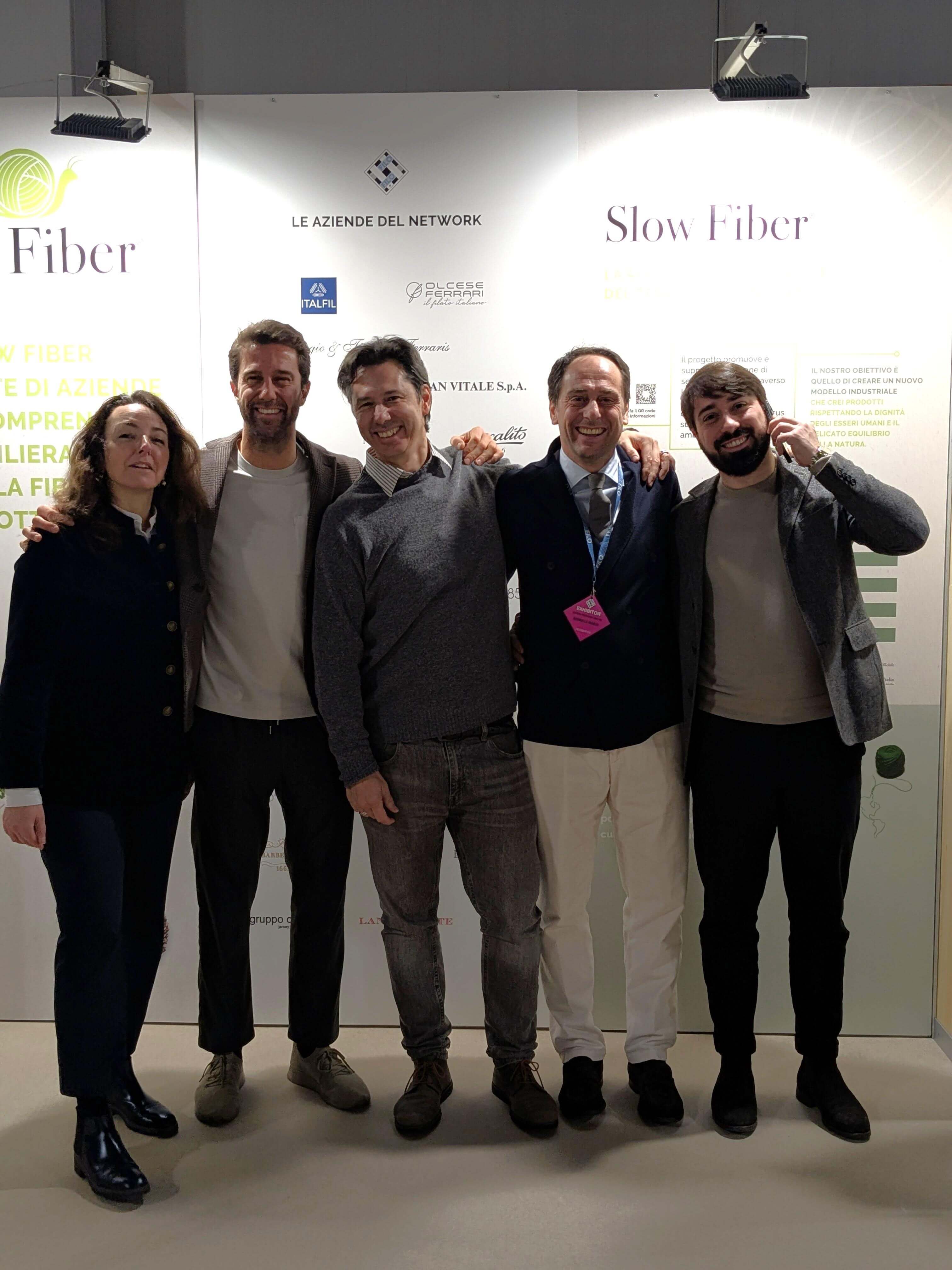
Slow Fiber ushered in the new year by placing encounters and shared conversations at the heart of its work. In the first half of 2026, the association intensified its presence at events, fairs, and discussion groups, actively promoting a new textile culture. These events served as genuine spaces for reflection, aimed at dismantling the logic of consumerism and fast fashion.
Slow Fiber aims to bring about productive and cultural change in the textile sector, making the entire supply chain more sustainable and promoting more informed and responsible consumption. The network aims to raise awareness of the impact textile products have on the environment, on workers in the supply chain, and on consumer health. Embracing the network's values (healthy, good, clean, fair, and durable) represents a profound cultural act. It is an invitation to rediscover true beauty in its ethical and responsible dimension. Only in this way can consumers, by carefully choosing what they wear and what they welcome into their homes, avoid shared responsibility for the environmental and social damage caused by an opaque, ultra-fast, and consumerist production system.
Let's retrace the steps of Slow Fiber:
JANUARY
On January 23rd in Chiavari (GE), the agenda kicked off with the event "From Wool, New Patterns of the Future". Together with Slow Food Genoa, and under the patronage of the Chiavari Economic Society, the circular economy and sustainable supply chains were discussed, demonstrating, through wool carding and spinning workshops, how leveraging local resources can regenerate local areas and artisanal knowledge.
FEBRUARY
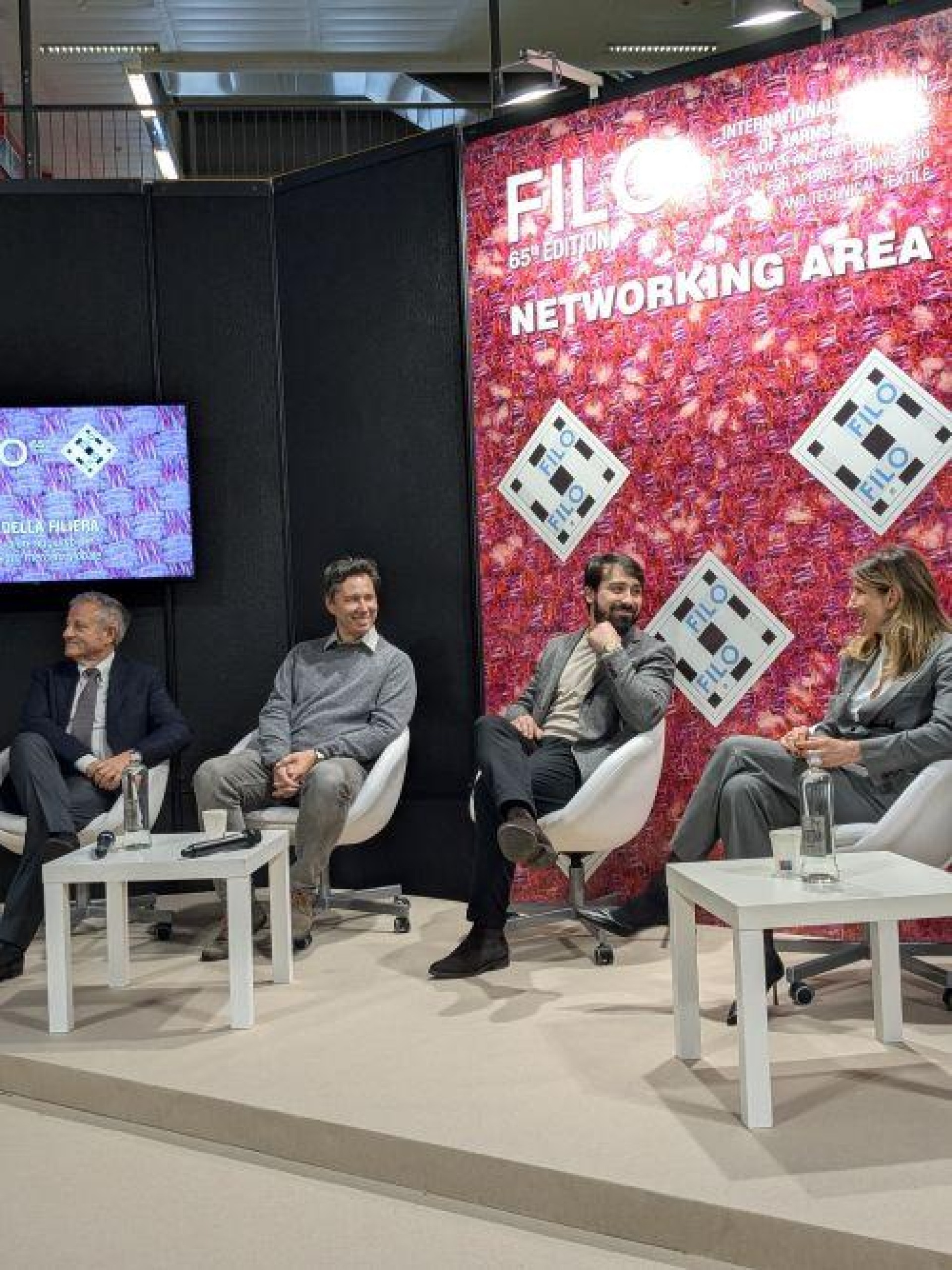
On February 11, the debate on transparency reached Milan at the 65th edition of Filo, the leading international trade show for yarns and fibers. During the opening ceremony, Slow Fiber, alongside representatives of Filo, the Biella Industrial Union, the Piedmont Region, and key players in the supply chain, reiterated that sustainability and competitiveness must go hand in hand. This must not, however, be forgotten: competing on price is not possible. During the roundtable discussion "InsideOut by CLASS: Visible and Invisible Values in the New Generation Wardrobe. And a New Language to Communicate Them, from the Supply Chain to the Consumer," the discussion continued on the need for a new language of sustainability: an approach capable of finally making the ethical and environmental values embedded in every single yarn visible to the consumer, bringing the issues of responsibility directly to the technical heart of the supply chain.
MARCH
March saw an even more widespread mobilization: In Milan, at the Catholic University, Slow Fiber, as a member of the CreAbility network, launched the "The Future of Communication" series. The discussion with students from the Master's and COMMA and COMES degree programs offered an opportunity to reflect on the transformations of communication in the fashion industry, highlighting how authentic storytelling can become a strategic tool for describing production processes, enhancing artisanal expertise, and highlighting the supply chain's environmental responsibilities.
On March 8th in Palermo, at the Radici Museum, a meeting with the local Slow Food convivium emphasized the urgency of applying the values of "good, clean, and fair" to fabrics, which are our second skin. This will reduce the gap between widespread awareness of food and the still limited awareness of fabrics and what we wear.
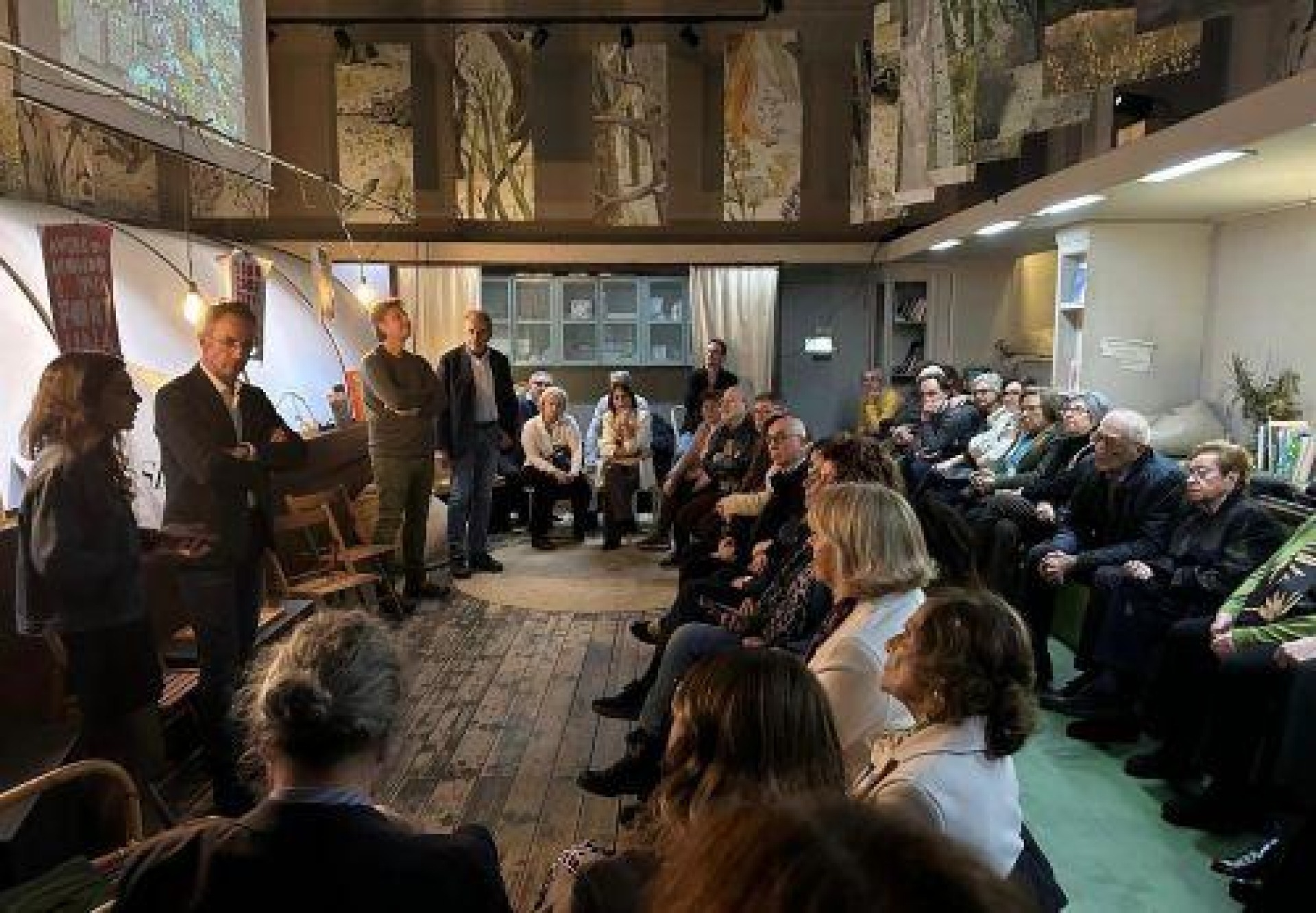
On March 12th in Pioltello (MI), at the Municipal Library, the debate "Dressing Good, Clean, and Fair" offered a critical analysis of the fast fashion model, anticipating the Swap Party on March 15th. The initiative, organized in collaboration with Caritas, Alboran Cooperativa Sociale, and with the technical support of Amsa, transformed the day into a moment entirely dedicated to reuse and conscious consumption, where participants circulated their garments, reinventing their wardrobes with a sustainable approach.
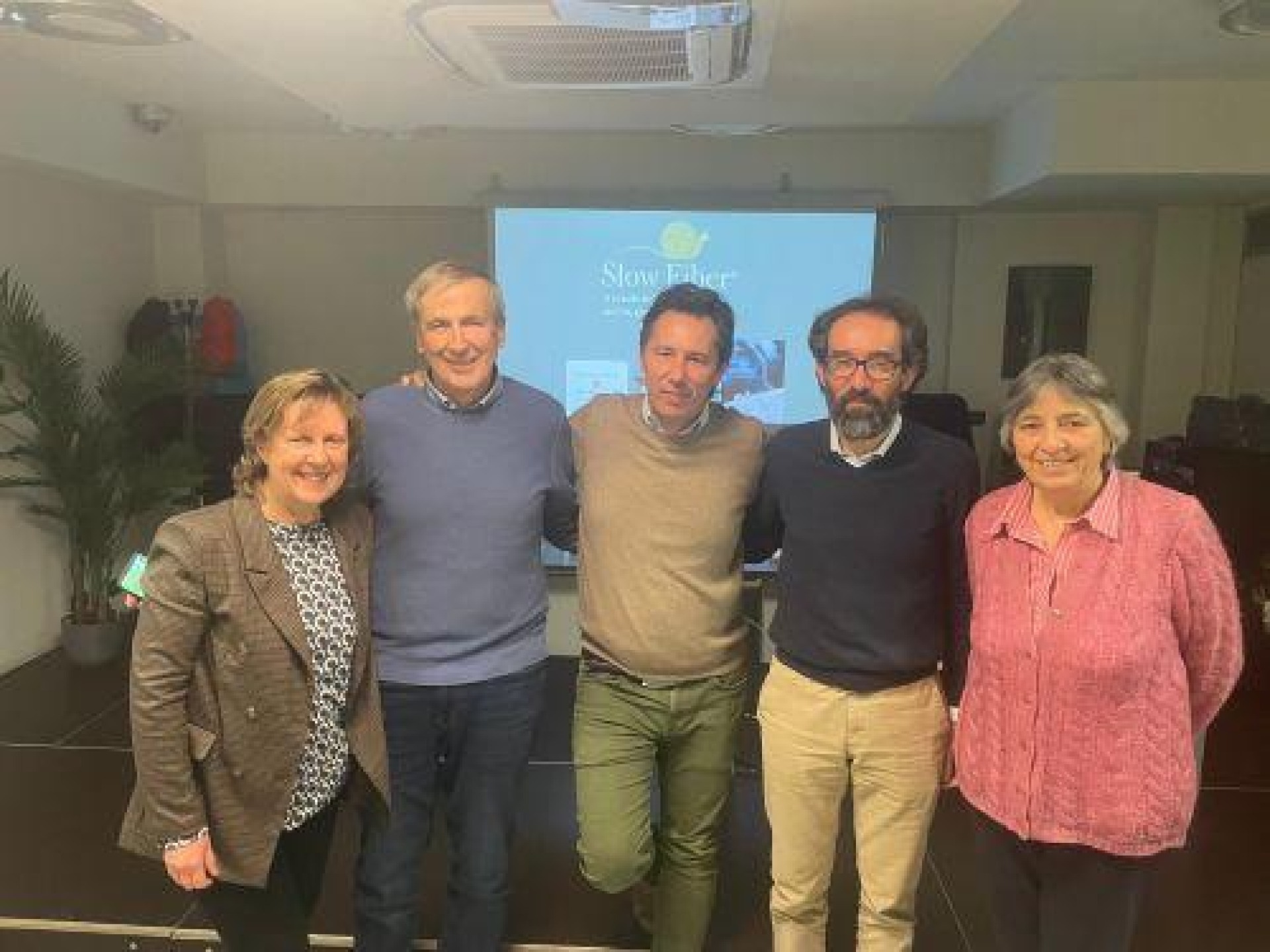
In Ravenna, on March 13th, Slow Fiber organized a meeting in collaboration with CNA Federmoda Ravenna, Slow Food, and Ravenna APS. The event, titled "It's almost spring and I have nothing new to wear. Sustainable fashion and conscious consumption: the value of artisanal manufacturing and the impacts of fast fashion", offered a moment of reflection on the future of fashion. Discussions included the harmful effects of fast fashion, the importance of consumer awareness, and the role of artisanal manufacturing. The latter is recognized as the antithesis of waste and a model of quality, sustainability, and ethics, respecting people and raw materials.
From March 19th to 31st in Rome, at Villa Altieri, the Slow Fiber network participated in the Carbon Carpet festival, featuring a talk show on March 27th, discussing fashion as a tool for social growth and dialogue.
