08 November 2025
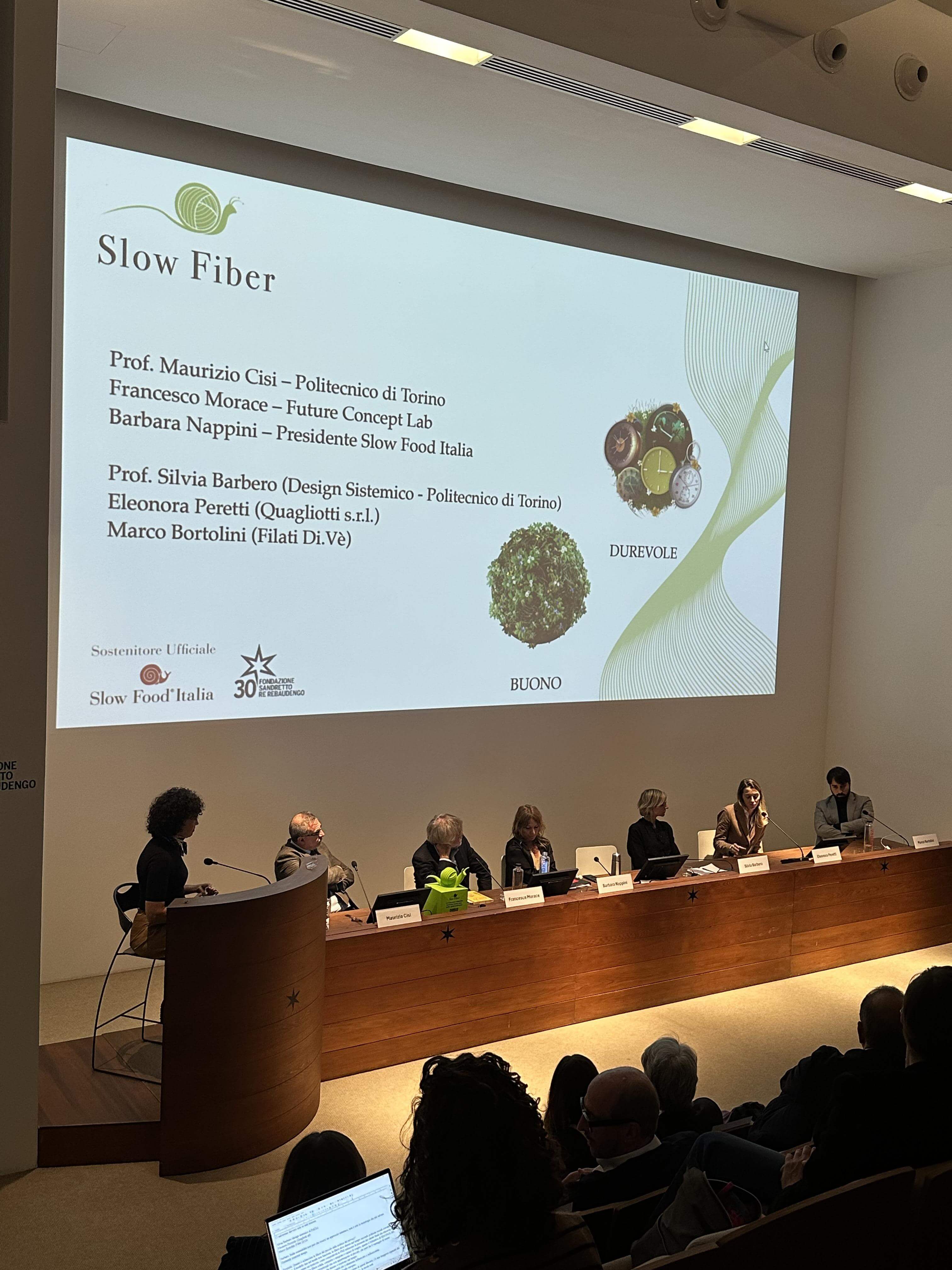
On November 7th, 2025, the Auditorium of the Sandretto Re Rebaudengo Foundation hosted the first Slow Fiber National Congress, organized to celebrate the association's third anniversary.
This event marked an important turning point for the Italian textile sector, providing a space for genuine, open, and intergenerational discussion on the future of fashion and manufacturing.
In just three years, Slow Fiber has grown to bring together 29 Italian fashion and furniture companies, active throughout all stages of the textile supply chain and spread across Piedmont, Lombardy, Emilia-Romagna, and Tuscany. Together, these companies employ nearly 6,800 people, generate €1.2 billion in revenue, and preserve a heritage of artisanal tradition, manufacturing expertise, and technological innovation.
The Sustainable Textile Congress was a key moment to reiterate a shared message: it's no longer enough to talk about sustainability; we must practice it. Companies, experts, students, and institutions met to imagine a future for textiles inspired by the values of good, healthy, clean, fair, and durable, which are at the heart of the Slow Fiber philosophy.
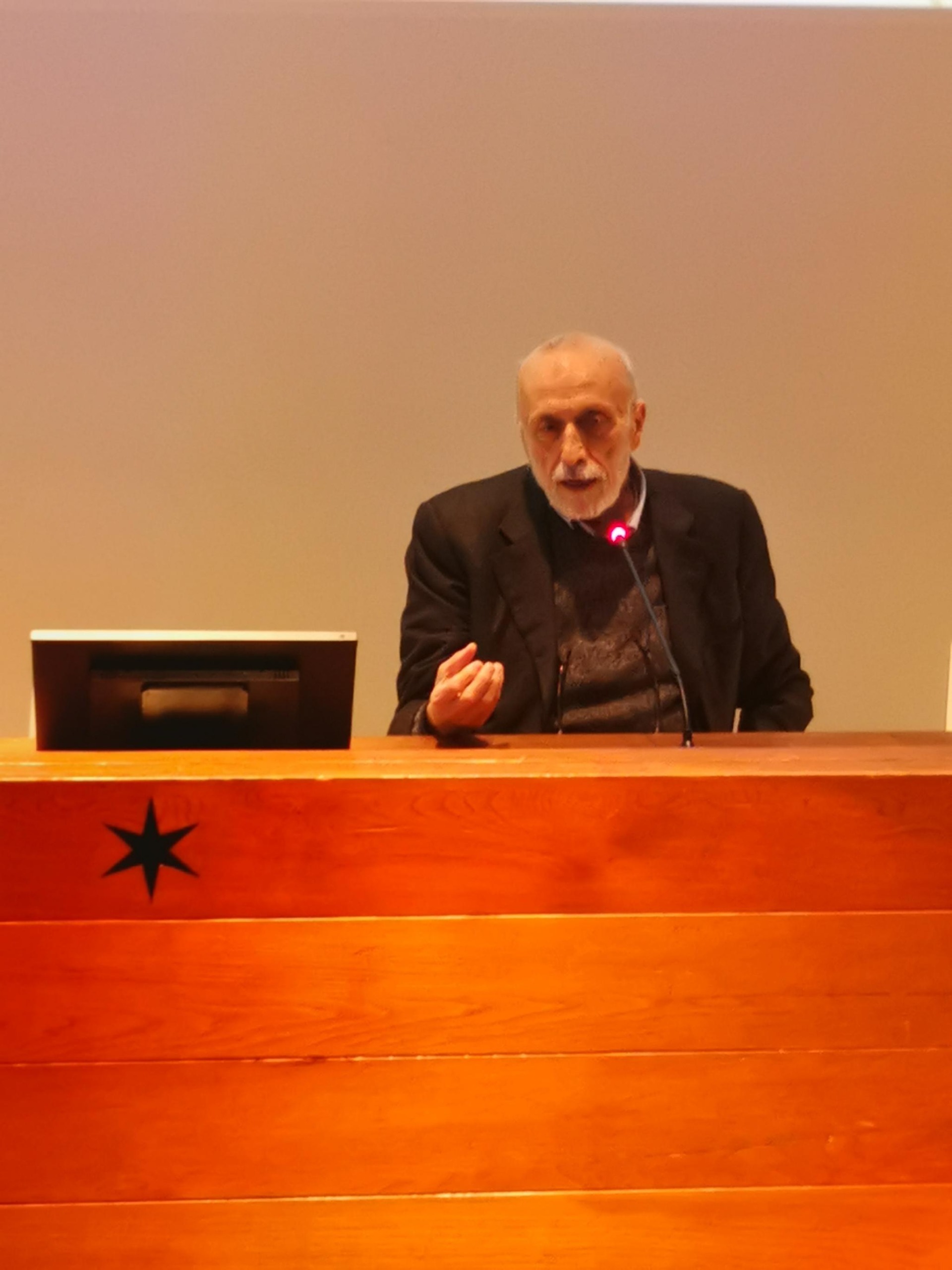
The meeting opened with a speech by Carlo Petrini, founder and creator of Slow Food, who recognized Slow Fiber as a pioneer, capable of systematically addressing the environmental and social impact of the textile industry. Petrini emphasized the importance of a global vision of the network, calling for the same regenerative spirit that Slow Food has brought to the food sector to be brought to the textile industry.
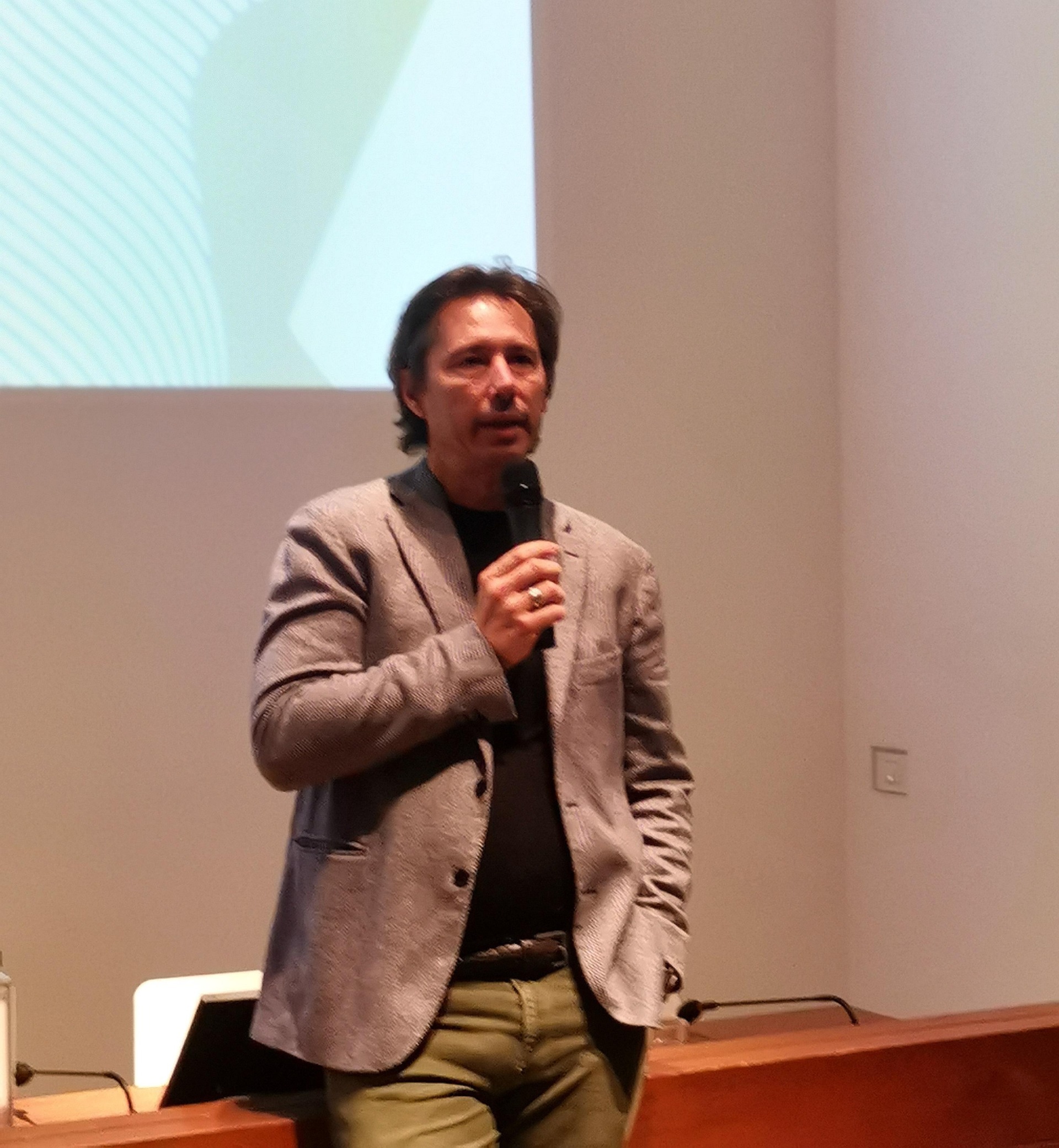
In his speech, Dario Casalini, president and founder of Slow Fiber, denounced the enormous impact of the current textile industry and declared the era of ustainability, expressed only in words, to be over. At the heart of his reflection was the need for a regenerative model grounded in ethics, quality, and beauty, capable of combining innovation, creativity, ecology, and economics. Casalini also appealed to businesses and the younger generations, emphasizing the crucial role of education in conscious consumption and the protection of virtuous supply chains.
The discussion was enriched by contributions from the academic and research worlds, which offered a lucid and scientific analysis of the textile sector's impact, particularly on resource consumption and water contamination, highlighting corporate responsibility and the urgent need for a paradigm shift.
Ample space was also dedicated to the social and economic dimensions of sustainability: from rethinking growth models to the centrality of the supply chain as a place of collaboration, equity, and transparency. The idea that sustainability cannot be limited to the "least bad" emerged forcefully, but must aim for the best possible outcome through structural and shared choices.
The testimonies of Slow Fiber member companies brought the debate to a concrete level, demonstrating how collaboration between companies, attention to quality, and investment in skills are essential for building long-lasting, competitive, and responsible supply chains.
The first Slow Fiber National Congress thus laid the foundation for a necessary change for the future of textiles, society, and the planet. The goal now is to make this event a regular event, expanding the dialogue between industry, young people, and national institutions. November 7, 2025, marked the first step on a journey toward a truly sustainable, ethical, and long-lasting textile industry.
